Credit Repair for Bad Credit: A Comprehensive Guide to Financial Recovery
Credit repair for bad credit sets the stage for this enthralling narrative, offering readers a glimpse into a story that is rich in detail and brimming with originality from the outset. Here, we dive deep into understanding the nuances of credit repair for individuals facing challenges with their credit scores.
As we explore the steps to repair bad credit, the impact on credit scores, available services, and legal aspects, readers will gain valuable insights that can pave the way to a healthier financial future.

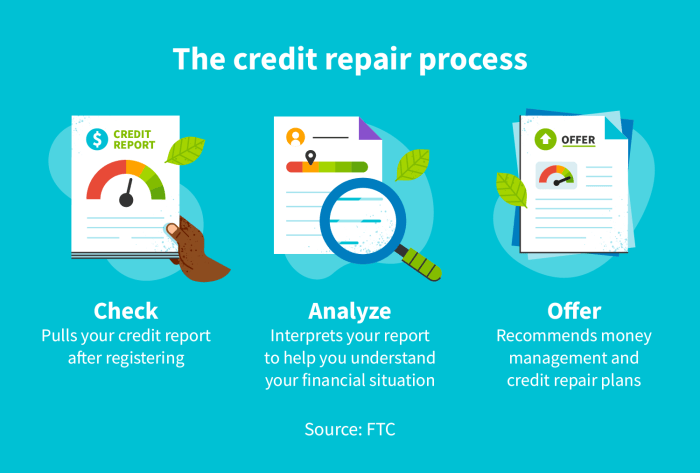
Credit repair is a process aimed at improving the credit score of individuals who have bad credit. This involves addressing negative items on their credit report and taking steps to build a positive credit history.
Improving credit scores is crucial for financial health as it impacts an individual’s ability to access loans, credit cards, and other financial products at favorable terms. A higher credit score can result in lower interest rates and better loan options, ultimately saving money in the long run.
Additionally, a good credit score is often required for renting an apartment, getting insurance, and even securing certain job opportunities.
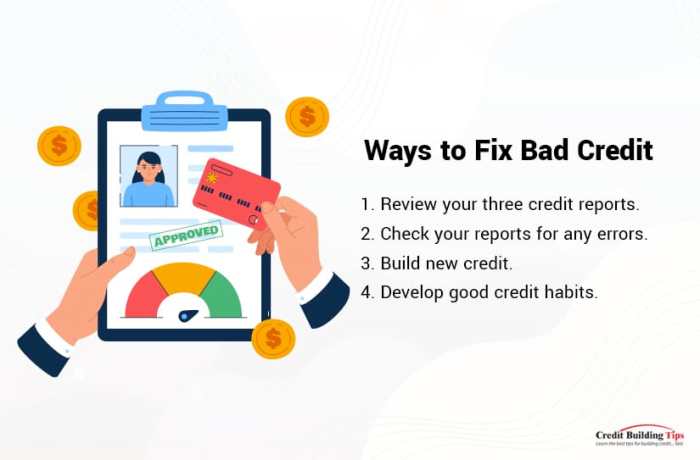
Repairing bad credit can be a daunting task, but with the right strategies and actions, individuals can improve their credit scores over time. Here are some steps to help guide you in the process:
Debt consolidation involves combining multiple debts into one single loan or payment. This can help simplify your finances and potentially lower your interest rates, making it easier to manage your debt and improve your credit score.
Negotiating with creditors to lower interest rates, reduce fees, or create a more manageable payment plan can help individuals pay off their debts more effectively. By working with creditors, you may be able to improve your credit standing and avoid further damage to your credit score.
Credit counseling services provide guidance on managing finances, creating a budget, and developing a plan to pay off debt. These services can help individuals understand their financial situation better and make informed decisions to improve their credit over time.
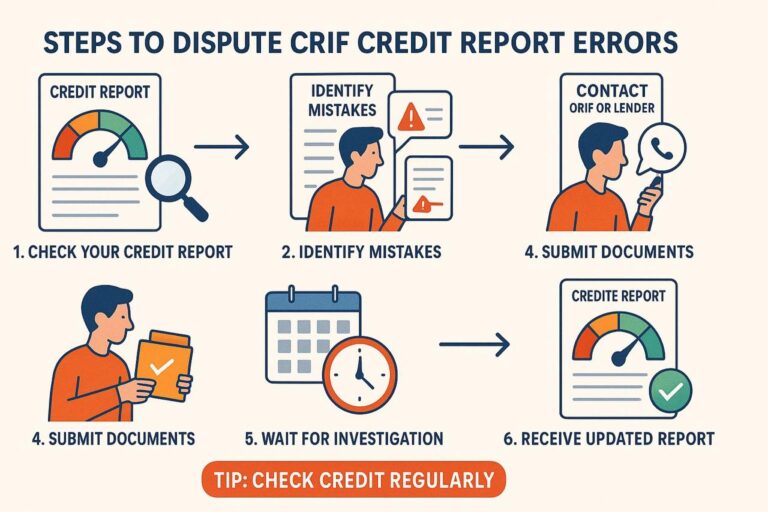
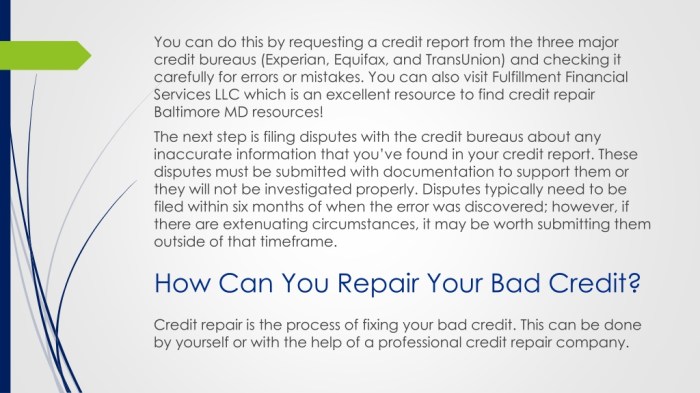
Errors on credit reports can negatively impact your credit score. By reviewing your credit reports regularly and disputing any inaccuracies or errors, you can improve your credit score. It’s essential to follow the proper procedures and provide supporting documentation when disputing errors to ensure they are corrected promptly.
When it comes to credit repair, the impact on credit scores can be significant. By engaging in specific actions and adopting responsible credit management habits, individuals can gradually improve their credit scores over time.
One of the most crucial factors in rebuilding credit is making timely payments on existing credit accounts. Consistently paying bills on time demonstrates financial responsibility and can positively impact credit scores.
When it comes to repairing bad credit, individuals have the option to either utilize professional credit repair services or take a do-it-yourself (DIY) approach. Both methods have their own set of pros and cons, and it’s essential to weigh them carefully before making a decision.
It’s important to research and choose reputable credit repair companies that are transparent about their services and fees.
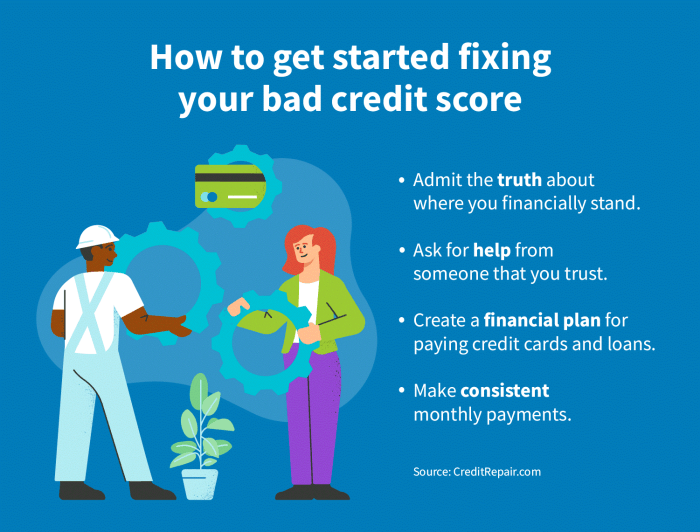
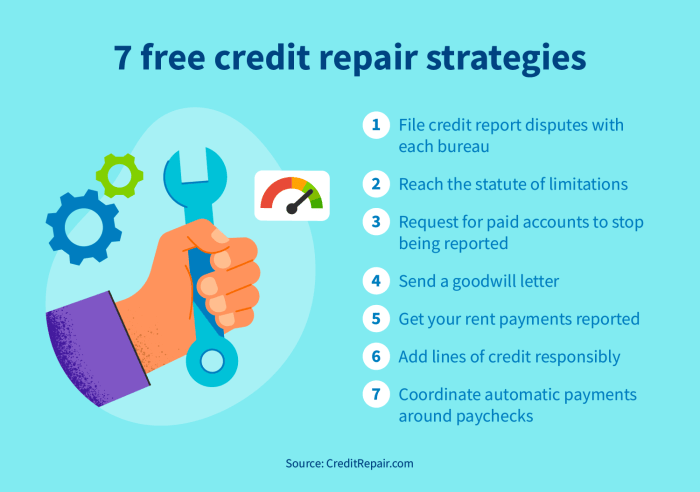
For those opting to repair their credit independently, here are some tips to consider:
When it comes to credit repair, it is crucial to understand the legal aspects that govern the industry. From laws and regulations to consumer rights and protections, being informed is key to avoiding scams and fraudulent practices.
In conclusion, the journey of credit repair for bad credit is not just about numbers on a credit report; it’s a path towards financial empowerment and freedom. By taking proactive steps and making informed choices, individuals can embark on a transformative journey towards better credit health.
What are the common reasons people seek credit repair for bad credit?
Common reasons include high debt levels, missed payments, identity theft, and errors on credit reports.
How can timely payments and responsible credit management impact credit scores?
Timely payments and responsible credit management can gradually improve credit scores by showing a pattern of reliability to creditors.
What are the pros and cons of using professional credit repair services versus DIY methods?
Professional services offer expertise but can be costly, while DIY methods are more affordable but require time and effort.
What consumer rights and protections are provided under the Fair Credit Reporting Act?
The Fair Credit Reporting Act ensures accuracy, fairness, and privacy of information in credit reports and gives consumers the right to dispute errors.