How to Repair Credit: A Comprehensive Guide to Improving Your Financial Health
Embark on a journey to understand the ins and outs of credit repair. From assessing credit reports to disputing inaccuracies and building positive credit, this guide covers it all. Dive in to discover the key steps to enhancing your financial well-being.
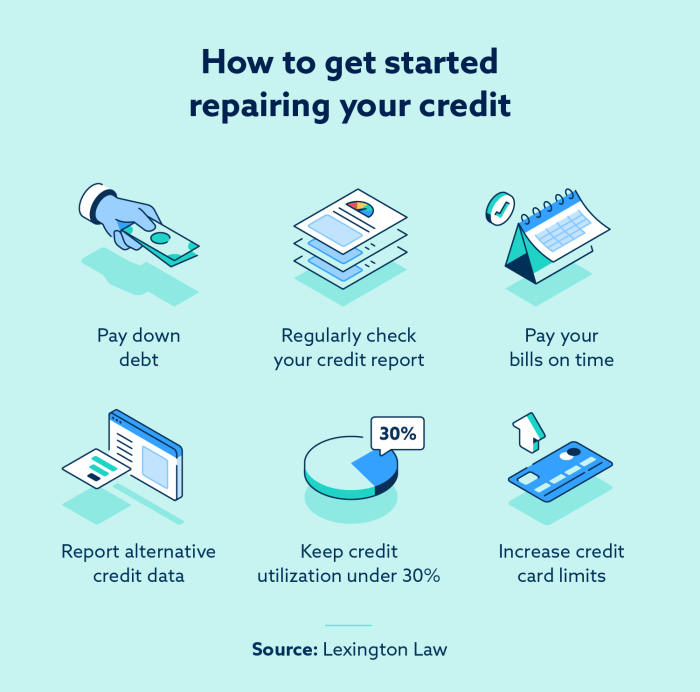
Credit repair refers to the process of improving an individual’s creditworthiness by addressing errors on their credit report, resolving outstanding debts, and taking steps to establish a positive credit history. It is essential for those looking to qualify for loans, mortgages, or credit cards with favorable terms.
Credit repair is crucial as it directly impacts an individual’s financial health and future opportunities. A poor credit score can result in higher interest rates, limited access to credit, and difficulty in securing loans or renting a home. By improving their credit, individuals can enhance their financial stability and access to various financial products.
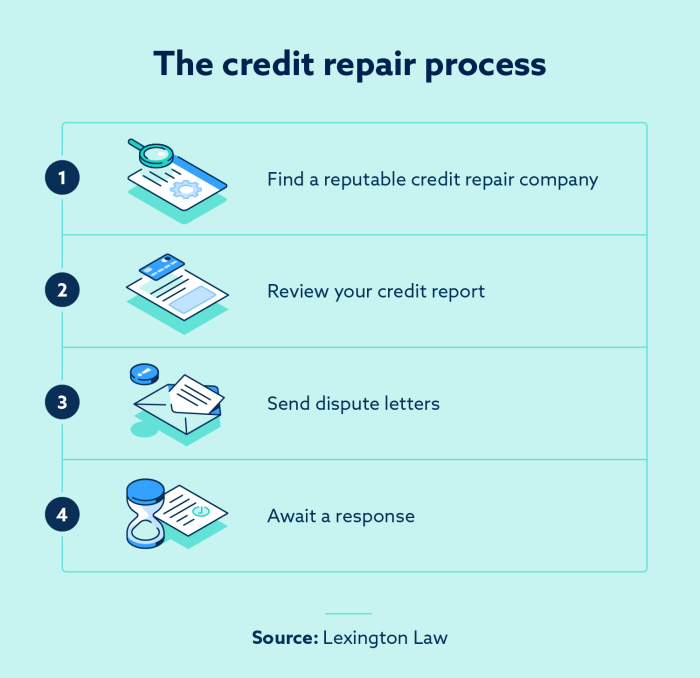
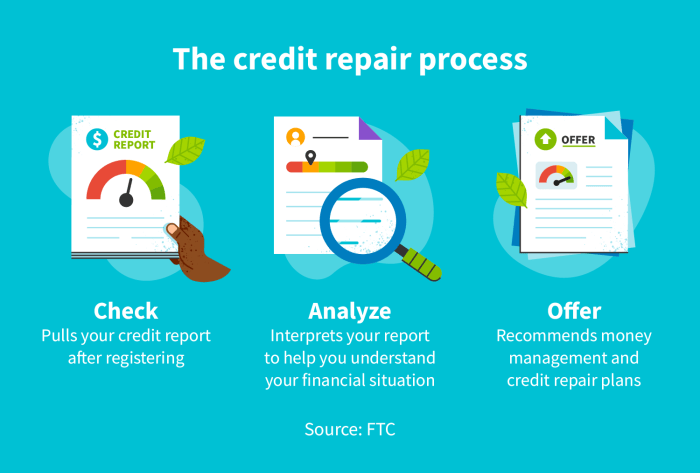
When it comes to repairing your credit, one of the crucial steps is assessing your credit reports. This involves obtaining a free credit report, reviewing it thoroughly, and identifying any errors or discrepancies that may be affecting your credit score.
Obtaining a free credit report is easier than you might think. You are entitled to one free credit report every 12 months from each of the three major credit bureaus – Equifax, Experian, and TransUnion. You can request your free credit report online at AnnualCreditReport.com, the only authorized website for free credit reports, or by calling 1-877-322-8228.
When reviewing your credit report, pay close attention to your personal information, account details, payment history, and any negative marks such as late payments or collections. Make sure all the information is accurate and up-to-date. Look for any unfamiliar accounts or inquiries that could indicate identity theft.
Common errors to look out for on a credit report include incorrect personal information, accounts that do not belong to you, outdated information, duplicate accounts, and inaccurate payment history. If you spot any errors or discrepancies, you should dispute them with the credit bureaus to have them corrected.
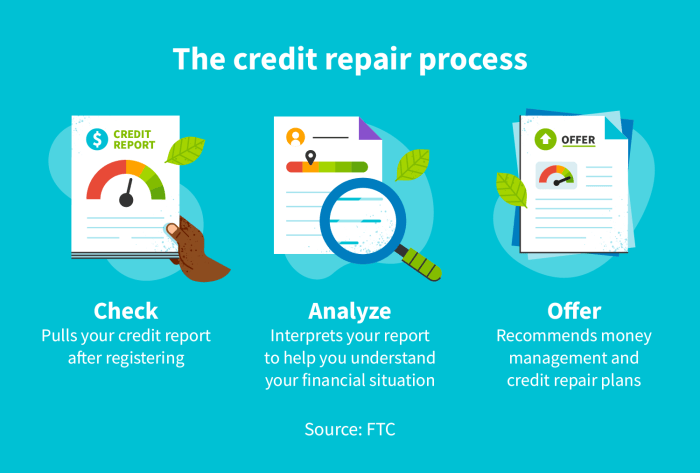
When it comes to repairing your credit, one crucial step is disputing inaccuracies that may be present on your credit report. These inaccuracies could be errors in reporting, identity theft, or outdated information that can negatively impact your credit score.
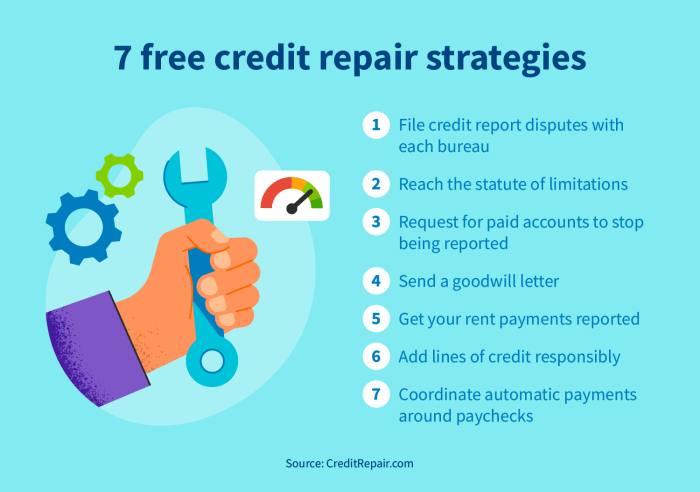
Debt management is crucial for improving credit scores and achieving financial stability. By implementing effective strategies, negotiating with creditors, and understanding the impact of debt-to-income ratio, individuals can take control of their financial situation.
The debt-to-income ratio is a key factor in determining creditworthiness, showing the percentage of income used to repay debts. A high ratio indicates financial strain and may lead to lower credit scores, making it essential to reduce debt levels to improve credit standing.
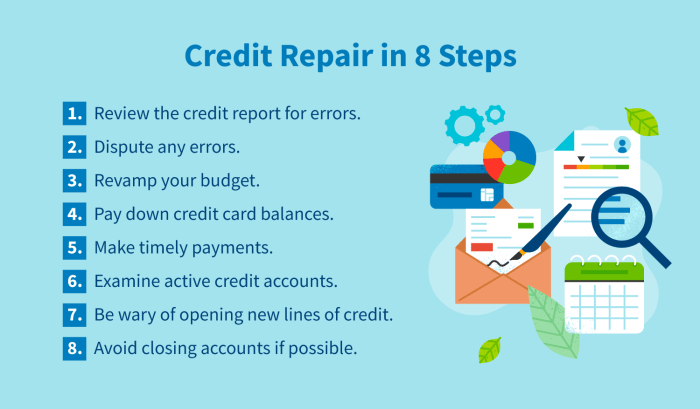
Building a positive credit history is essential for improving your credit score and financial standing. By establishing new lines of credit and responsibly managing them, you can demonstrate your creditworthiness to lenders and improve your overall financial health.
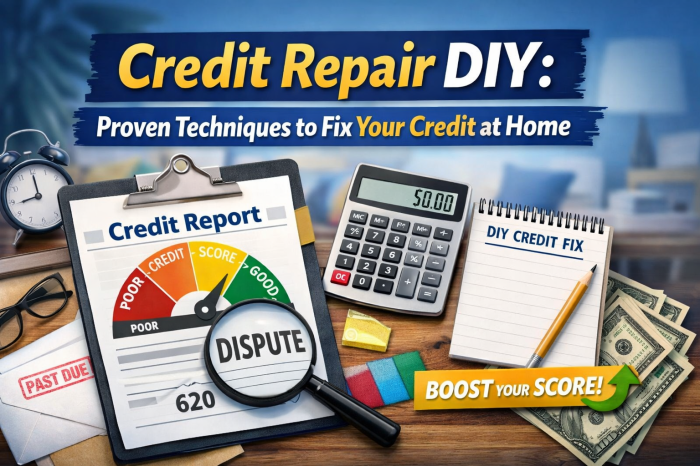
In conclusion, repairing your credit is a crucial step towards financial stability. By following the tips and strategies Artikeld in this guide, you can take control of your credit score and pave the way for a brighter financial future.
How long does it take to repair credit?
Repairing credit can vary depending on the individual’s situation. It may take several months to years to see significant improvements.
Can I repair my credit on my own?
Yes, you can repair your credit on your own by following the steps Artikeld in this guide. However, seeking professional help is also an option.
Is credit repair legal?
Yes, credit repair is legal. It involves disputing inaccurate information on your credit report and working towards improving your credit score through responsible financial habits.