
Homeowners Insurance for High-Risk Areas: Coverage Options and Premium Costs
As Homeowners Insurance for High-Risk Areas: Coverage Options and Premium Costs takes center stage, this opening passage beckons readers with a casual formal language style into a world crafted with good knowledge, ensuring a reading experience that is both absorbing and distinctly original.
In the following paragraphs, we will delve into the key aspects of homeowners insurance in high-risk areas, shedding light on coverage options and premium costs.
When it comes to homeowners insurance, high-risk areas are regions that are prone to specific risks that may result in increased likelihood of filing claims. These areas are often characterized by factors that make them more vulnerable to certain perils, leading to higher insurance premiums for homeowners.Common factors that classify an area as high-risk include proximity to bodies of water, such as coastlines or rivers, which can increase the risk of flooding or hurricanes.
Additionally, regions with a history of wildfires, earthquakes, or high crime rates are also considered high-risk areas for homeowners insurance.
Having homeowners insurance is crucial in high-risk areas due to the increased likelihood of experiencing natural disasters or other unforeseen events. These areas are prone to specific risks that can cause significant damage to homes and properties, making insurance coverage essential for homeowners.
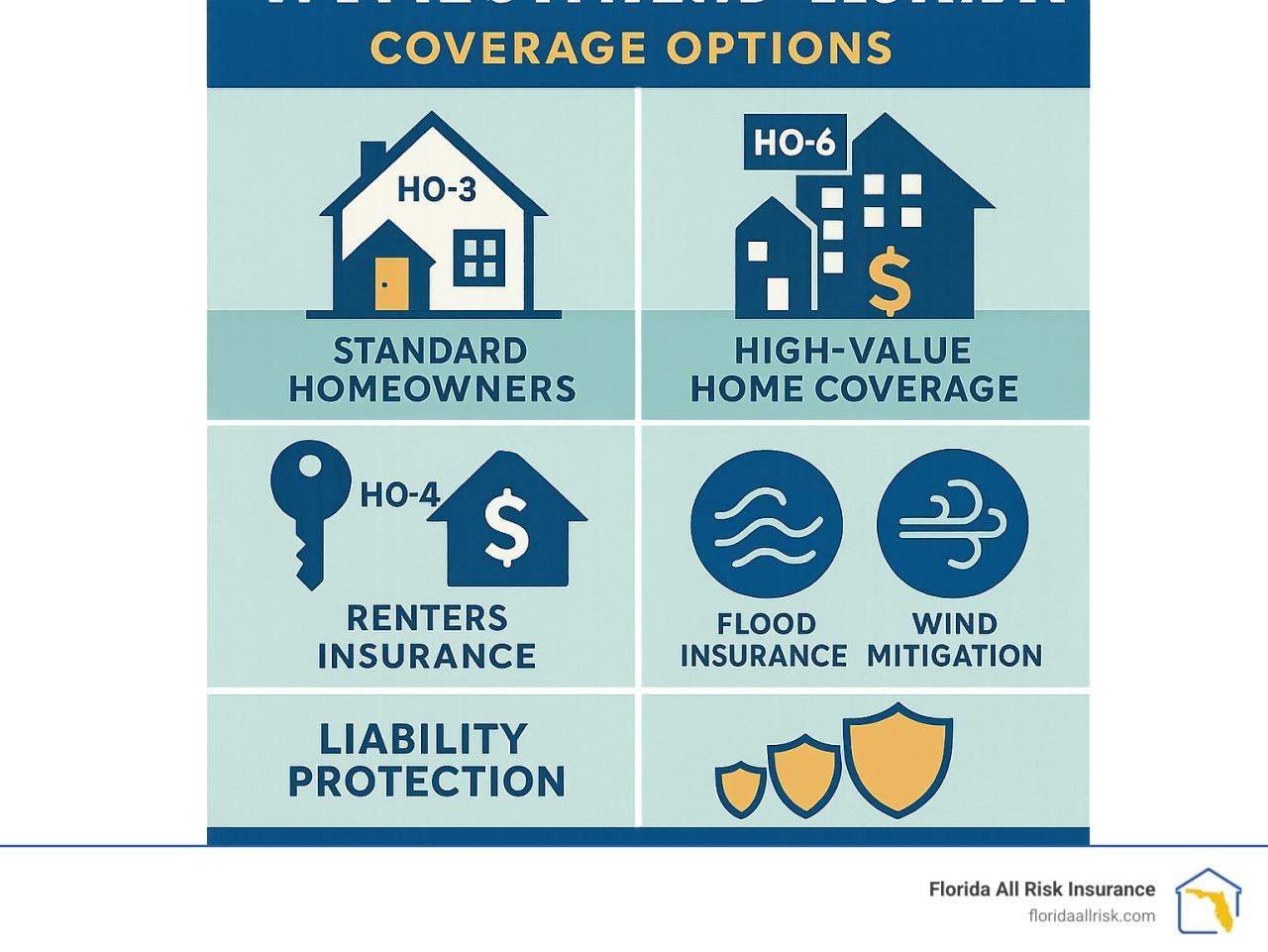
When it comes to homeowners insurance in high-risk areas, it is crucial to understand the different coverage options available to protect your property and assets. From dwelling coverage to liability coverage, each type serves a specific purpose in safeguarding your home against potential risks.
Dwelling coverage is the foundation of homeowners insurance and typically protects the structure of your home in the event of damage or destruction caused by covered perils such as fire, windstorm, or vandalism. In high-risk areas prone to natural disasters like hurricanes or wildfires, it is essential to ensure that your dwelling coverage is adequate to cover the cost of rebuilding or repairing your home.
Personal property coverage helps protect your belongings inside your home, such as furniture, electronics, and clothing, in case they are damaged or stolen. In high-risk areas where the likelihood of property damage is higher, it is important to take inventory of your personal belongings and consider increasing your coverage limits to adequately protect your assets.
Liability coverage provides financial protection in the event that someone is injured on your property and files a lawsuit against you. In high-risk areas where the potential for accidents is greater, having sufficient liability coverage is crucial to avoid financial strain from legal expenses and settlements.
Consider adding an umbrella policy for additional liability coverage beyond the standard limits.
In high-risk areas, standard homeowners insurance policies may not always provide adequate coverage for certain risks like flooding, earthquakes, or landslides. Consider purchasing separate policies or endorsements for these specific perils to ensure comprehensive protection for your home and assets.
While these additional coverages may come at an extra cost, they can offer peace of mind knowing that you are fully protected against potential risks.
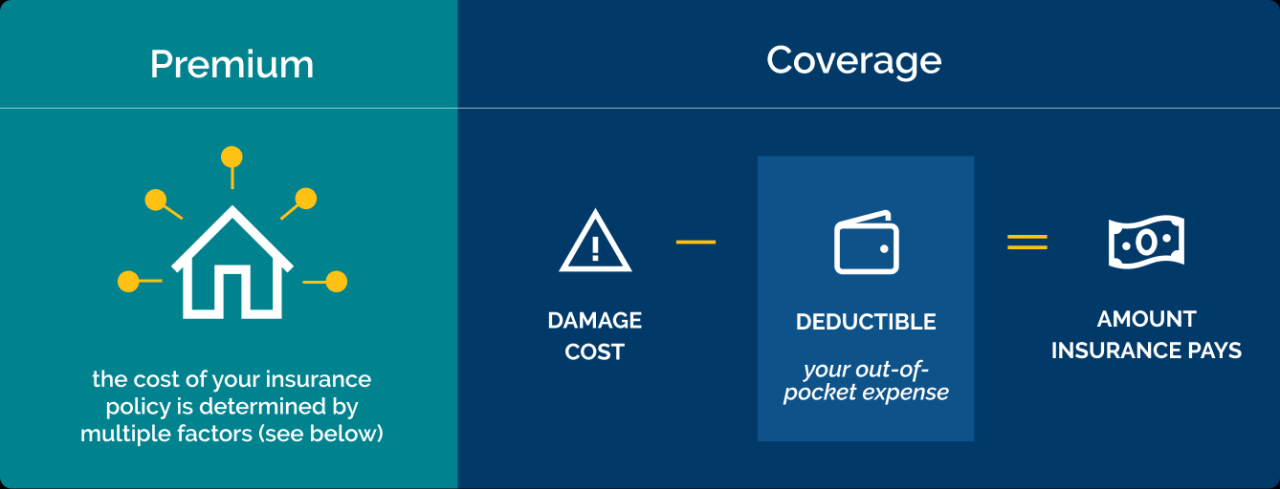
When it comes to determining the cost of homeowners insurance in high-risk areas, several factors come into play. Insurance companies carefully assess these risks to calculate premiums that reflect the potential exposure to hazards.
What factors determine high-risk areas for homeowners insurance?
High-risk areas are typically identified based on factors such as proximity to coastlines, history of natural disasters, and crime rates.
How does homeowners insurance protect against risks in high-risk areas?
Homeowners insurance provides coverage for damages or losses due to perils like floods, hurricanes, fires, and theft, common in high-risk areas.
Are there additional coverage options necessary for homeowners in high-risk areas?
Yes, additional coverage options like flood insurance or earthquake insurance may be crucial for homeowners in high-risk areas to enhance protection.
What factors can lead to higher premium costs in high-risk areas?
Factors such as the frequency of natural disasters, crime rates, and proximity to high-risk zones can contribute to higher premium costs for homeowners insurance.
