
Homeowners Insurance for Rental Properties: Coverage, Liability, and Premiums
As Homeowners Insurance for Rental Properties: Coverage, Liability, and Premiums takes center stage, this opening passage beckons readers into a world crafted with good knowledge, ensuring a reading experience that is both absorbing and distinctly original.
Exploring the nuances of insurance coverage for rental properties can shed light on the crucial aspects that landlords need to consider.
Homeowners insurance for rental properties is a type of insurance policy that provides coverage for properties that are rented out to tenants. This insurance is essential for rental properties to protect against potential risks and liabilities that may arise during the rental period.
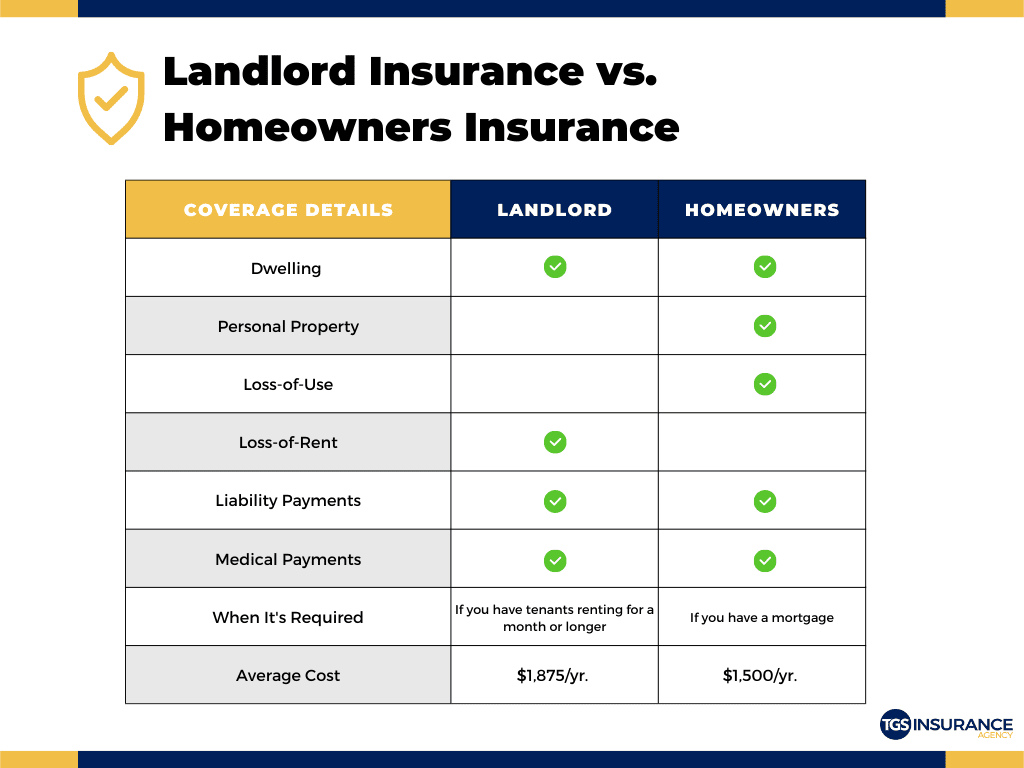
When it comes to homeowners insurance for rental properties, there are key differences compared to regular homeowners insurance. Here are some of the main distinctions:
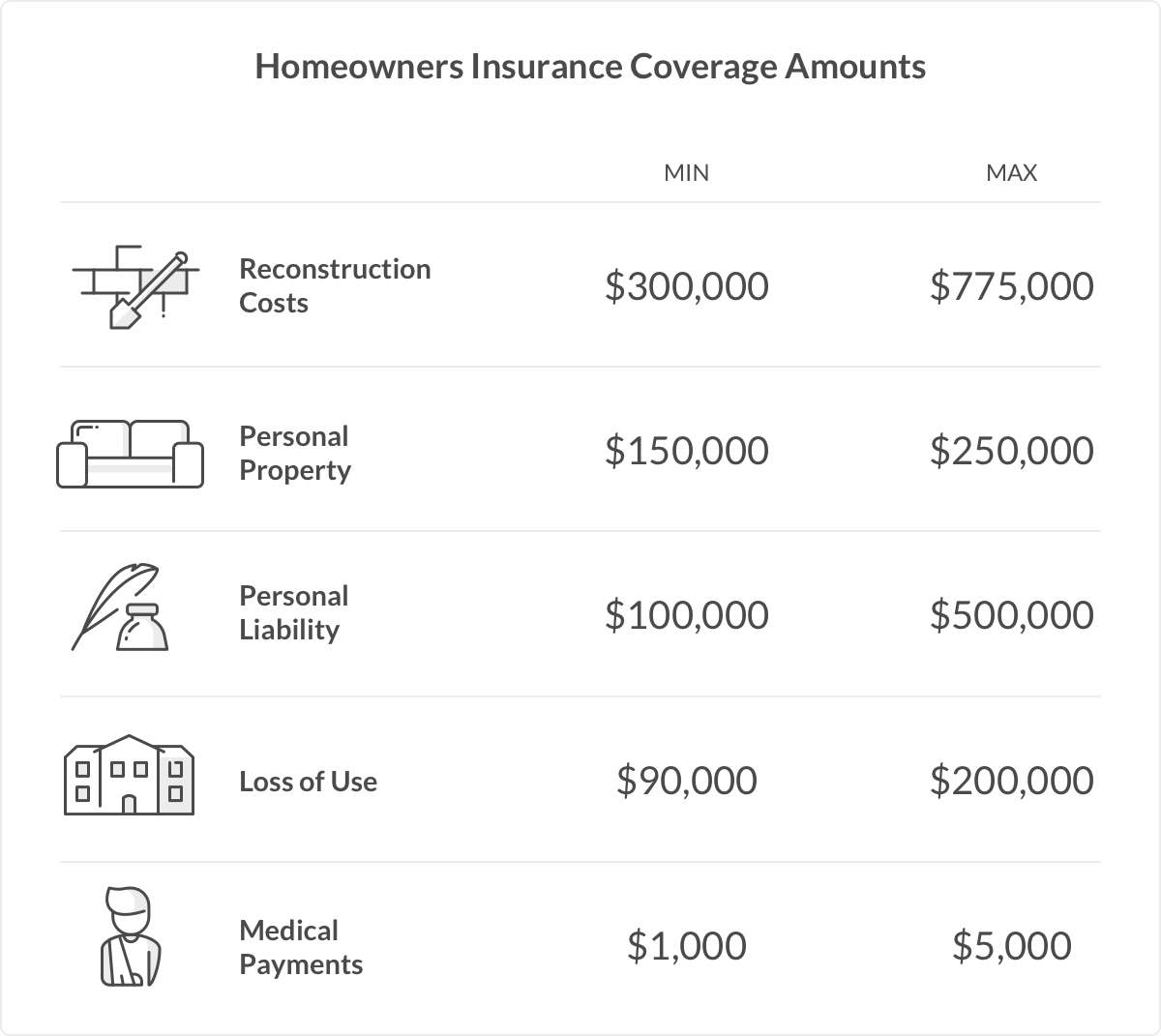
When it comes to homeowners insurance for rental properties, there are various coverage options available to landlords to protect their investment. Understanding the different types of coverage can help landlords make informed decisions to safeguard their rental properties.
When it comes to homeowners insurance for rental properties, liability protection is a crucial aspect that landlords need to consider. This coverage helps protect property owners from legal and financial liabilities that may arise from injuries or property damage that occur on the rental property.
Liability coverage is essential for landlords as it provides financial protection in case a tenant, visitor, or even a trespasser gets injured on the rental property. Without liability coverage, landlords could be held personally responsible for medical expenses, legal fees, and damages, which could lead to significant financial loss.
When it comes to homeowners insurance for rental properties, the premiums can vary based on several factors. Landlords need to understand what influences these premiums in order to make informed decisions and potentially reduce their insurance costs.
The location of the rental property plays a significant role in determining the insurance premiums. Areas prone to natural disasters, such as hurricanes, earthquakes, or floods, may have higher insurance costs due to the increased risk of damage. Conversely, properties in low-risk areas may have lower premiums.
The type of property being insured can also impact the insurance premiums. Factors such as the age of the property, construction materials used, and the presence of safety features like smoke alarms and security systems can affect the cost of insurance.
Older properties or those with higher risk features may have higher premiums.
The coverage limits chosen by landlords can influence the insurance premiums. Higher coverage limits provide more protection but also come with higher costs. Landlords should carefully evaluate their coverage needs and choose limits that adequately protect their investment without overpaying for unnecessary coverage.
The deductible amount is the out-of-pocket cost that landlords must pay before their insurance coverage kicks in. Opting for a higher deductible can lower the insurance premiums, as landlords are taking on more financial responsibility in the event of a claim.
However, it’s essential to balance the deductible amount with what you can afford to pay out of pocket.
Landlords can take several steps to potentially reduce their insurance premiums. This includes bundling multiple insurance policies with the same provider, improving property security measures, maintaining a good claims history, and shopping around for competitive quotes from different insurance companies.
By being proactive and implementing risk-reducing measures, landlords can lower their insurance costs while still protecting their rental properties.
What does homeowners insurance for rental properties cover?
Homeowners insurance for rental properties typically covers the physical structure, liability protection, and loss of rental income in case of damages.
Is homeowners insurance mandatory for rental properties?
While not legally required, having homeowners insurance for rental properties is highly recommended to protect the property and the landlord’s financial interests.
How can landlords reduce insurance premiums for rental properties?
Landlords can potentially lower insurance premiums by increasing security measures, bundling policies, and maintaining a good claims history.
