Home Insurance Replacement Cost Coverage: How Property Payouts Are Calculated
Delving into Home Insurance Replacement Cost Coverage: How Property Payouts Are Calculated, this introduction immerses readers in a unique and compelling narrative, with a casual formal language style that is both engaging and thought-provoking from the very first sentence.
Exploring the intricacies of property payouts in home insurance, this article sheds light on the key factors influencing replacement cost coverage, providing valuable insights for homeowners seeking to safeguard their investments.
Replacement cost coverage in home insurance refers to a policy that ensures your property will be repaired, rebuilt, or replaced with similar materials and quality in case of damage or loss. This coverage takes into account the current market value of materials and labor, without factoring in depreciation.
Having adequate replacement cost coverage is crucial for different types of properties, especially in areas prone to natural disasters or where construction costs are high. Insufficient coverage could leave homeowners with out-of-pocket expenses when trying to replace or repair their property.
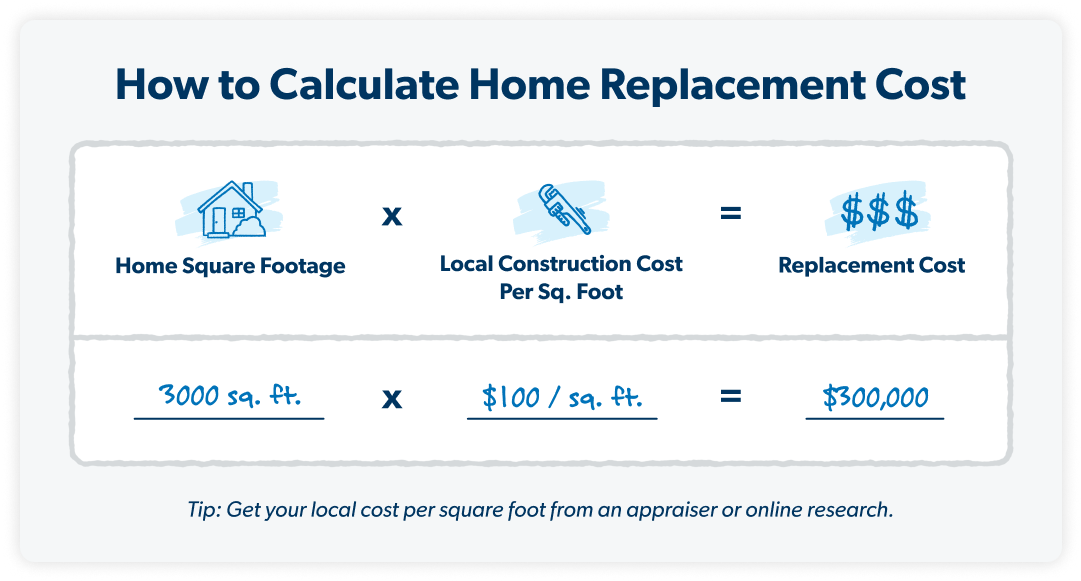
When it comes to calculating property payouts in home insurance, several key factors come into play. These factors influence the final amount that an insurance company will pay out for a covered loss. Understanding how these factors work can help homeowners better prepare for potential claims and ensure they have adequate coverage in place.
The value of your property is a crucial factor in determining the payout you will receive from your insurance company. It is essential to have an accurate assessment of your property’s value to ensure you have adequate coverage in place.
This value can fluctuate based on market conditions, improvements made to the property, and other factors.
Depreciation and inflation rates play a significant role in determining replacement cost coverage. Depreciation refers to the decrease in the value of property over time, while inflation rates impact the cost of replacing or repairing damaged property. Insurance companies take these factors into account when calculating payouts to ensure that policyholders receive fair compensation based on the current market conditions.
Different insurance companies may have varying methods for assessing property payouts based on these factors. Some companies may use specific formulas or algorithms to determine replacement costs, while others may rely on appraisals or estimates from contractors. It is essential for homeowners to understand how their insurance provider calculates property payouts to ensure they have the right coverage in place.
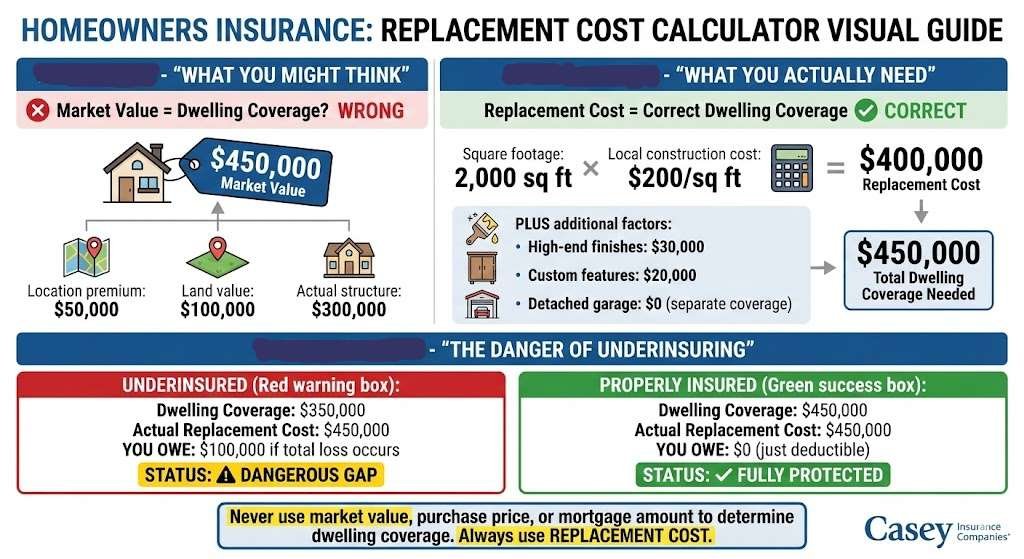
Estimating replacement costs for a property is a crucial aspect of home insurance coverage. Insurance adjusters follow a detailed process to calculate these costs accurately, ensuring that homeowners receive adequate compensation in the event of damage or loss.
When it comes to home insurance policies, coverage limits play a crucial role in determining the maximum amount an insurer will pay out for a covered loss. These limits can vary based on the type of coverage chosen by the homeowner.Extended replacement cost coverage is an option that provides additional coverage beyond the limits of a standard replacement cost policy.
This type of coverage can help cover the increased costs of rebuilding or repairing a home in the event of a loss.Guaranteed replacement cost coverage, on the other hand, offers the most comprehensive protection by covering the full cost of rebuilding or repairing a home, even if it exceeds the policy limits.
This option provides homeowners with peace of mind knowing that they are fully protected in the event of a catastrophic loss.
What does replacement cost coverage mean in home insurance?
Replacement cost coverage in home insurance refers to the policy that pays for the cost to replace or repair damaged property at current market prices, without deducting for depreciation.
How do inflation rates impact replacement cost coverage?
Inflation rates can increase the cost of labor and materials, thereby affecting the replacement cost coverage by potentially raising the overall cost of rebuilding or repairing a property.
What is extended replacement cost coverage?
Extended replacement cost coverage provides additional coverage beyond the policy limits, usually covering a certain percentage above the estimated replacement cost to account for unexpected increases in construction costs.
When should homeowners consider guaranteed replacement cost coverage?
Homeowners should consider guaranteed replacement cost coverage when they want to ensure their property can be fully replaced in case of a disaster, regardless of the actual cost. This type of coverage offers the highest level of protection.